
Banking
12 articles

Investment brokerage accounts, digital wallets, real estate investments — all require ways to store and send money electronically. Fortunately, it’s easy to open a bank account and participate in the digital economy. Learn how.
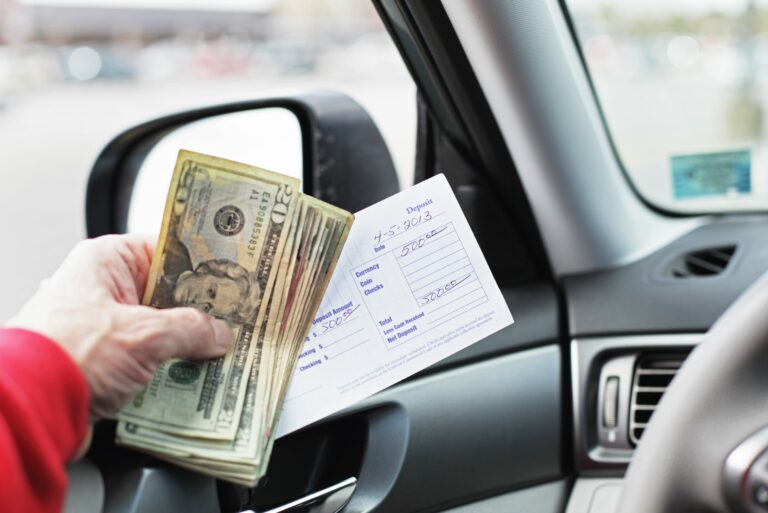
People still get paid in cash for all sorts of reasons. That raises the question: How do you get hard currency into your bank account for safekeeping? Learn your options for depositing cash in a bank account, which can depend on how soon you need the money and where the account is located.
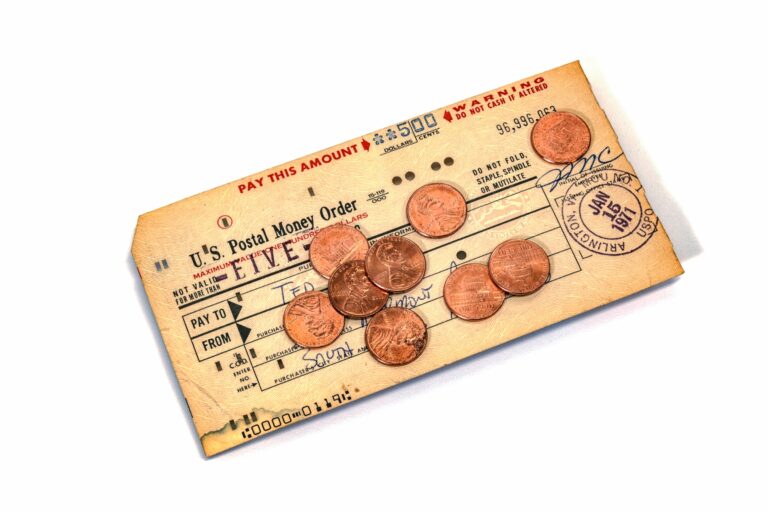
A money order is just like a check, except prepaid. This means it’s a safer form of payment than a personal check because there’s no risk it will bounce. And lots of different places cash money orders, including banks, post offices, and grocery stores.

A cashier’s check is a secured payment method backed by the full faith and credit of a bank. It’s great for situations that require large amounts of money, such as putting a down payment on a house. Learn how it works and how it’s different from a personal check.
Electronic direct deposit is a common and convenient method of payment used by employers, government agencies, and everyone in between. Direct deposit is easier and safer than paper checks, so it’s past time for you to set it up if you haven’t already.

A cash management account combines many of the best features of checking, savings, and investment accounts into one product. What are cash management accounts, why would you consider one, and where can you find them? Find the answers here.

Even in the 21st century, thousands of locally based community banks provide the kind of personal service big banks can’t. As a customer, you may enjoy faster loan approval, better account terms, and other benefits. But community banks have drawbacks as well.
If you have a deposit account with a bank based in the United States, you very likely benefit from FDIC deposit insurance, which insures deposits held with thousands of U.S.-chartered banks. Learn about FDIC insurance, what it covers, and how it works to protect the money you put in the bank.
All federal credit unions operate under the supervision of the National Credit Union Administration (NCUA), a federal agency charged with regulating their activities and protecting individual members’ deposits. Learn about the NCUA and its functions to protect consumers.
Until President Richard Nixon took the United States off the gold standard in the 1970s, American cash was redeemable for gold or silver. Currently, the U.S. is on a system using fiat currency via the Federal Reserve, as the value of money is based on faith in government and law. While the Federal Reserve maintains

Infinite banking is about becoming your own bank, rather than saving or borrowing money with a traditional bank, using life insurance to hold money. It comes with many intriguing advantages, along with some pretty steep disadvantages. Learn about infinite banking and who should consider using it.

When you transfer money into a brokerage account, you’ll probably notice the balance goes into a money market fund as a holding space for uninvested cash. But what precisely are money market funds? Learn how they work — and what separates a good money market fund from a bad one.
Trending stories
Explore Manage Money
You’ve got it. Learn what to do with it.